
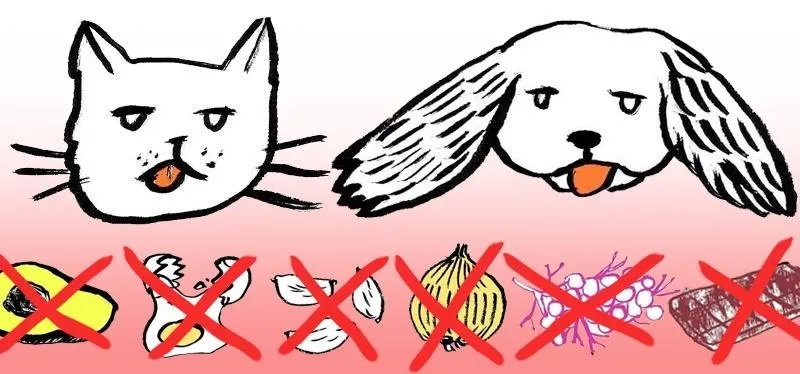
Foods You Should Never Feed Your Dog or Cat (Toxic Ingredients List)
911 views
Your pet grabs a bite from the floor. It happens in seconds.
One dropped grape. A square of dark chocolate. A spoonful of xylitol-sweetened peanut butter. Many owners assume a tiny amount can't possibly matter. Sometimes they're right. Sometimes they're facing an emergency before they even realize what happened.
Veterinary poison centers receive thousands of calls every year involving common household foods that people never expected to be dangerous. Most cases begin with ordinary moments: a dog raiding the trash after dinner, a curious cat licking cake frosting, or a child sharing snacks without knowing the risks.
The frustrating part? Many toxic foods aren't obviously poisonous. Some are perfectly healthy for humans.
Knowing what belongs on your plate—but never in your pet's bowl—can prevent a stressful trip to the emergency veterinary clinic.
Why pets react differently than humans
Dogs and cats process chemicals differently from people. Their liver enzymes, digestive systems, and metabolism simply aren't built for many foods humans eat every day.
Cats create another challenge. They're obligate carnivores, meaning their nutritional needs revolve around animal protein. Dogs are more opportunistic eaters and will happily sample almost anything, which explains why accidental poisoning is much more common in dogs.
Dose matters.
A Labrador swallowing one raisin may not develop kidney injury, while a small terrier eating the same amount might experience severe complications. Researchers still don't fully understand why some animals react dramatically while others appear unaffected, making every exposure worth taking seriously.
Organizations including the American Society for the Prevention of Cruelty to Animals (ASPCA) Animal Poison Control Center and the Pet Poison Helpline consistently list food poisoning among the most common household emergencies involving companion animals.
The biggest offenders: foods that should never be shared
Chocolate
Chocolate contains two methylxanthines:
Theobromine
Caffeine
Dogs metabolize theobromine far more slowly than humans. Dark chocolate, baking chocolate, cocoa powder, and gourmet chocolates contain much higher concentrations than milk chocolate.
Signs often appear within several hours and may include:
Vomiting
Restlessness
Rapid heartbeat
Muscle tremors
Seizures
Collapse
Baking chocolate is particularly dangerous because even relatively small pieces contain large amounts of theobromine.
Cats are less likely to eat chocolate voluntarily, but accidental exposure still occurs.
Xylitol (sometimes labeled as birch sugar)
This catches owners off guard.
Xylitol is an artificial sweetener found in:
Sugar-free gum
Breath mints
Toothpaste
Some peanut butter brands
Protein bars
Sugar-free baked goods
Certain medications and chewable vitamins
Dogs respond to xylitol with a massive insulin release. Blood sugar can plummet within 10 to 60 minutes.
In severe cases, liver failure follows.
Cats don't appear to experience the same insulin response, but products containing xylitol should still be kept away from all pets because formulations vary and additional ingredients may also be harmful.
Always read ingredient labels before offering peanut butter as a treat. Many "natural" brands contain only peanuts and salt, while others now include xylitol or similar sweeteners.
Grapes and raisins
No safe amount has been established.
Fresh grapes, raisins, currants, trail mix, raisin bread, oatmeal cookies, and fruitcakes have all been linked to acute kidney failure in dogs.
Veterinarians still don't know exactly which compound causes toxicity. Recent research points toward tartaric acid as a likely contributor, although susceptibility varies widely between individual dogs.
Early warning signs include:
Vomiting
Diarrhea
Weakness
Loss of appetite
Hours later, kidney function may begin deteriorating.
Cats rarely consume grapes voluntarily, making documented cases uncommon.
Onions, garlic, leeks, and chives
These vegetables belong to the Allium family.
Fresh. Cooked. Powdered. Dehydrated.
They're all capable of damaging red blood cells.
Many owners avoid feeding onions directly but overlook garlic powder hiding inside:
Pizza
Baby food
Gravy
Instant noodles
Seasoning blends
Frozen meals
Repeated exposure to small amounts may be just as concerning as one large serving.
Cats are especially sensitive.
Alcohol
Even tiny amounts deserve attention.
Beer, wine, cocktails, yeast dough, uncooked bread dough, and fermented fruit can all expose pets to ethanol.
Signs may include poor coordination, vomiting, breathing difficulty, low body temperature, and coma.
Raw bread dough creates an additional problem. As yeast ferments inside the stomach, alcohol production continues while the expanding dough stretches the stomach itself.
That's a dangerous combination.
Foods people argue about—but veterinarians generally don't
Avocados
The flesh of an avocado is less toxic to dogs than many internet myths suggest, but it still presents problems.
Persin, a naturally occurring fungicidal compound, exists throughout the plant. Birds and some livestock are especially vulnerable.
For dogs and cats, the larger concern is often the pit.
It becomes a choking hazard or intestinal blockage requiring emergency surgery.
Fat-rich avocado flesh can also trigger digestive upset or pancreatitis in susceptible animals.
Macadamia nuts
A surprisingly small number can cause problems.
Affected dogs often develop:
Weakness
Trembling
Fever
Hind-leg weakness
Difficulty standing
Fortunately, most recover with veterinary treatment within one or two days, although symptoms can appear alarming.
Researchers still haven't identified the exact toxic compound.
Coffee, tea, and energy drinks
Caffeine isn't limited to coffee mugs.
It appears in:
Tea bags
Espresso beans
Pre-workout powders
Energy drinks
Caffeine tablets
Chocolate-covered coffee beans
Dogs chewing open gym bags have accidentally consumed concentrated caffeine supplements containing several hundred milligrams per serving—far more dangerous than a spilled cup of coffee.
Rapid heart rhythms and seizures can follow.
Fatty leftovers aren't harmless either
Holiday dinners generate predictable veterinary emergencies.
Turkey skin.
Bacon grease.
Ham fat.
Barbecue trimmings.
A dog's stomach doesn't always appreciate rich leftovers, even if nothing is technically poisonous.
Large amounts of dietary fat may trigger pancreatitis, an intensely painful inflammatory condition requiring hospitalization, intravenous fluids, pain management, and careful dietary control.
The temptation is understandable. Your dog looks hopeful beside the dinner table.
Resist it.
Raw meat, raw eggs, and unpasteurized dairy
Raw feeding remains controversial.
Supporters point to evolutionary diets, while veterinary organizations—including the American Veterinary Medical Association (AVMA) and the American Animal Hospital Association (AAHA)—continue expressing concerns about bacterial contamination.
Salmonella, E. coli, Listeria monocytogenes, and Campylobacter can affect pets and household members alike.
Healthy adult animals sometimes tolerate contaminated food surprisingly well.
Young animals, senior pets, pregnant animals, and immunocompromised pets may not.
The risk extends beyond the food bowl because bacteria can spread onto kitchen counters, cutting boards, feeding dishes, and human hands.
A quick reference table
Food or Ingredient | Dogs | Cats | Main Risk |
|---|---|---|---|
Chocolate | Highly toxic | Toxic | Heart, nervous system |
Xylitol | Extremely toxic | Lower documented risk | Hypoglycemia, liver failure |
Grapes and raisins | Highly toxic | Rare exposure | Kidney failure |
Onions and garlic | Toxic | Very sensitive | Red blood cell damage |
Alcohol | Toxic | Toxic | Nervous system depression |
Macadamia nuts | Toxic | Limited evidence | Muscle weakness |
Coffee and caffeine | Toxic | Toxic | Cardiac and neurological effects |
Raw bread dough | Dangerous | Dangerous | Alcohol production, stomach expansion |
What to do if your pet eats something toxic
Don't wait for symptoms.
Many poisons cause internal damage long before visible signs appear.
Take these steps:
Remove access to the food immediately.
Estimate how much was eaten and note the approximate time.
Save the packaging or ingredient label if possible.
Contact your veterinarian or an animal poison center immediately.
Never induce vomiting unless specifically instructed by a veterinary professional.
Hydrogen peroxide, salt, cooking oil, and internet home remedies can make situations worse.
Veterinarians often base treatment decisions on your pet's weight, existing medical conditions, the exact ingredient, and the estimated dose. Even photographs of the product packaging can speed up decision-making.
Building a safer kitchen
Small habits prevent most accidents.
Store candy above countertop level.
Keep trash cans secured with locking lids if you have determined scavengers. Check ingredient lists before buying peanut butter or sugar-free products. Remind children that "sharing" snacks isn't always kind when it comes to pets.
One overlooked detail surprises many new pet owners: medications flavored for children sometimes smell appealing to dogs. Vitamins, gummy supplements, nicotine pouches, cannabis edibles, and flavored chewable medications should be treated with the same caution as chocolate.
A little prevention saves enormous stress later.
Frequently asked questions
Can one grape really hurt a dog?
Possibly. Some dogs experience no illness, while others develop acute kidney injury after eating only a few grapes or raisins. Because susceptibility varies unpredictably, veterinary advice should be sought after any exposure.
Is white chocolate safe?
White chocolate contains much less theobromine than dark chocolate, but it still contains fat and sugar and sometimes caffeine. It shouldn't be intentionally fed to pets.
Can cats eat garlic in tiny amounts?
No. Cats are particularly sensitive to compounds found in garlic and other Allium vegetables. Even repeated small exposures may contribute to anemia.
What human foods are generally safe as occasional treats?
Plain cooked chicken, lean turkey without seasoning, cooked pumpkin, carrots, green beans, blueberries, and apple slices without seeds are commonly recommended in moderation. Introduce new foods gradually and avoid seasoning, butter, onions, or garlic.
Should I make my pet vomit after eating something dangerous?
Not without veterinary guidance. Certain substances can cause additional injury if vomited, and some situations require immediate professional treatment instead of home intervention.
Keep the treat jar simple
Most pet poisoning cases don't happen because owners are careless. They happen because everyday foods seem harmless until they aren't.
A quick habit can make all the difference: before offering any human food, pause and check whether it's considered safe for your species of pet. That extra thirty seconds is far easier than an emergency veterinary visit—and your dog or cat won't know they missed the snack.
toxic foods for dogs
toxic foods for cats
foods pets should avoid
dangerous pet foods
chocolate toxic to dogs
cat toxic ingredients
harmful foods for pets
pet safety tips
foods bad for dogs and cats
poisonous foods for pets
Found this helpful? Share it!