
How Much Water Does Your Pet Really Need? Hydration Guide for Dogs & Cats
658 views
A full water bowl doesn't always mean a well-hydrated pet.
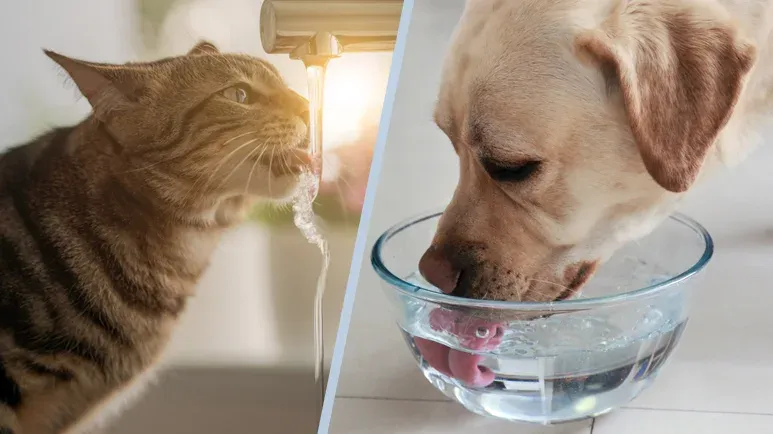
That's the mistake many owners make. The bowl is there, so everything must be fine... right? Not always. I've seen dogs ignore perfectly clean water after a long walk because it had been sitting in the sun for hours. Cats are even pickier. Some would rather search for dripping tap water than drink from a bowl that's only a few inches away.
Hydration affects nearly every system in your pet's body. Digestion. Temperature regulation. Kidney function. Joint health. Even mood and energy levels. A small drop in water intake can become a problem surprisingly fast, especially during hot weather or illness.
Here's what your dog or cat actually needs—and how to spot trouble before it becomes an emergency.
Water Needs Aren't One-Size-Fits-All
People love asking, "How many cups of water should my pet drink?"
The answer isn't that simple.
Veterinary nutrition guidelines generally estimate healthy adult dogs need around 50–70 milliliters of water per kilogram of body weight each day, while cats typically require 40–60 mL/kg/day. These figures include moisture obtained from food, not just what they drink from a bowl. Recommendations are consistent with guidance from organizations such as the American Animal Hospital Association (AAHA), the World Small Animal Veterinary Association (WSAVA), and veterinary nutrition references.
Here's a practical estimate for pets eating mostly dry food:
Pet Weight | Daily Water Requirement |
|---|---|
2 kg (4.4 lb) cat | 80–120 mL |
4 kg (8.8 lb) cat | 160–240 mL |
5 kg (11 lb) dog | 250–350 mL |
10 kg (22 lb) dog | 500–700 mL |
20 kg (44 lb) dog | 1.0–1.4 liters |
30 kg (66 lb) dog | 1.5–2.1 liters |
Think of these numbers as a starting point rather than a strict target.
A Labrador playing fetch for an hour in midsummer won't have the same hydration needs as one sleeping indoors with the air conditioning running.
Food Changes Everything
This catches many new pet owners off guard.
Dry kibble contains roughly 8–12% moisture.
Canned pet food? Usually 70–85% moisture.
Fresh or gently cooked diets often fall somewhere in between.
Imagine two identical cats.
One eats only dry kibble.
The other eats canned food twice a day.
The cat eating wet food may naturally drink much less from the bowl because much of its daily water comes from meals. That doesn't mean either cat is dehydrated.
I've heard owners worry because their cat "barely drinks anything." After asking one question—"What do you feed?"—the mystery often disappears.
Factors That Increase Water Requirements
Water needs can change overnight.
Sometimes dramatically.
Keep a closer eye on hydration if your pet experiences:
Hot or humid weather
Heavy exercise or working activities
Pregnancy or nursing
Vomiting or diarrhea
Fever
Kidney disease
Diabetes mellitus
Hyperthyroidism in cats
Certain medications, including corticosteroids or some diuretics
Recovery after surgery
Older pets deserve extra attention too. Kidney function naturally changes with age, and increased thirst is often one of the earliest signs that something deserves veterinary investigation.
Dogs Usually Drink... Cats Negotiate
Dogs and cats approach water very differently.
Dogs often drink large amounts in one session, especially after activity.
Cats evolved from desert-dwelling ancestors. Their instinct is to conserve water, which partly explains why many cats don't seem enthusiastic about drinking from standing bowls.
That creates a problem for indoor cats eating dry food.
Mild dehydration can become a long-term issue, increasing the risk of urinary tract problems or contributing to chronic kidney disease over time, particularly in older cats.
Small changes often help.
Moving the water bowl away from the food dish made a noticeable difference for one particularly stubborn cat I looked after. Another refused plastic bowls entirely but happily drank from stainless steel.
Pets have preferences. Sometimes surprisingly strong ones.
Signs Your Pet May Not Be Drinking Enough
The earliest warning signs aren't always obvious.
Watch for:
Dry or tacky gums
Sunken-looking eyes
Reduced skin elasticity
Lethargy
Panting that seems excessive
Dark yellow urine
Reduced urination
Loss of appetite
Constipation
A simple skin-tent test can provide a rough clue in dogs. Gently lift the skin over the shoulders and release it. Healthy, hydrated skin usually returns quickly.
Don't rely on this test alone, though.
Older animals naturally lose skin elasticity, making results less reliable.
If dehydration appears moderate or severe, veterinary treatment shouldn't wait.
Can Pets Drink Too Much Water?
Absolutely.
Excessive drinking—called polydipsia—can signal an underlying medical condition.
Some of the more common causes include:
Possible Cause | Common Signs |
|---|---|
Diabetes mellitus | Increased thirst, weight loss, increased urination |
Kidney disease | Drinking constantly, poor appetite |
Cushing's disease | Heavy drinking, increased appetite, panting |
Hyperthyroidism (cats) | Weight loss despite eating well |
Medication effects | Steroids commonly increase thirst |
A rough guideline many veterinarians use is that persistent water intake above about 100 mL/kg/day deserves medical evaluation, although context matters.
Don't try restricting water without veterinary advice.
Finding the cause is far more important.
Heat Changes the Equation Fast
Summer catches people out every year.
Dogs cool themselves mainly through panting, which increases water loss significantly. Short-nosed breeds like Bulldogs, Pugs, and French Bulldogs can overheat much faster than long-nosed breeds.
Cats often show subtler signs.
Instead of heavy panting, they may simply become inactive, hide more, or stop eating.
During heat waves:
Refresh water several times daily.
Provide multiple bowls in different locations.
Simple changes matter.
Fresh, cool water is generally more appealing than warm water sitting outdoors all afternoon.
Water Fountains: Worth Buying?
For many cats, yes.
Flowing water appears more attractive because moving water is naturally associated with freshness.
Popular pet fountains from brands such as Petlibro, Catit, and Pioneer Pet often include multi-stage filtration using activated carbon and foam filters. Many modern units operate quietly—typically around 20–30 dB—and hold between 2 and 3 liters of water.
There is a catch.
Filters need replacing regularly, usually every 2–4 weeks, depending on manufacturer recommendations and the number of pets using the fountain. Pumps also require routine cleaning because mineral buildup and pet hair gradually reduce water flow.
Ignoring maintenance defeats the purpose.
Bowl Placement Matters More Than You'd Think
A bowl tucked beside a noisy washing machine?
Probably not ideal.
Many pets prefer calm locations where they don't feel trapped while drinking.
For households with multiple animals:
Offer more than one water station.
Separate bowls if pets compete.
Clean bowls daily with hot water and mild dish soap.
Replace scratched plastic bowls if bacteria become difficult to remove.
Ceramic and stainless steel usually hold up better over time than inexpensive plastic.
Wet Food Can Be a Hydration Tool
This strategy works especially well for cats.
Adding one wet meal each day may substantially increase total water intake without forcing the pet to drink more.
Some owners also mix a tablespoon or two of warm water into canned food.
Most pets don't seem to notice.
Others absolutely do.
Trial and error wins here.
Travel, Boarding, and New Environments
Stress changes drinking habits.
Dogs boarding at kennels sometimes drink less simply because everything smells unfamiliar. Cats traveling to a new house may ignore water entirely for several hours.
A few practical tricks can help:
Bring water from home if possible, especially for short trips.
Pack the pet's usual bowl.
Offer water during travel breaks.
Avoid waiting until your pet appears thirsty.
Consistency reduces stress.
Common Hydration Myths
"Milk is fine instead of water."
Not really. Many adult dogs and cats digest lactose poorly. Fresh water should remain the primary source of hydration.
"Ice cubes are dangerous."
For healthy pets, ice cubes placed in water are generally considered safe and may encourage drinking during hot weather. Supervise enthusiastic chewers that swallow large chunks.
"If my pet isn't panting, dehydration isn't possible."
False.
Cats, especially, can become dehydrated with very subtle outward signs.
"Changing water once a week is enough."
Definitely not.
Fresh water should be available at all times, and bowls should be cleaned daily to limit bacterial growth and biofilm buildup.
Frequently Asked Questions
How long can a dog go without drinking water?
Healthy dogs should always have access to fresh water. While survival varies depending on weather and health, going more than 24 hours without drinking can quickly become dangerous, particularly in hot conditions.
Should I measure how much my pet drinks?
If your veterinarian suspects kidney disease, diabetes, or another medical issue, measuring daily water intake for several days can provide valuable information. Otherwise, watching for sudden changes is usually sufficient.
Is filtered water better than tap water?
In most regions with safe municipal drinking water, tap water is perfectly acceptable for pets. If your local water has unusual taste, odor, or known contamination issues, filtered water may encourage better drinking.
Why does my cat drink from the faucet instead of the bowl?
Many cats prefer moving water because it often seems fresher. A circulating pet fountain may satisfy that preference while reducing wasted water.
Can I add flavor to encourage drinking?
Yes, in moderation. A small amount of low-sodium chicken broth made without onions, garlic, or excessive salt can tempt reluctant drinkers. Avoid products containing xylitol or ingredients toxic to pets.
Keep an Eye on Habits, Not Just the Bowl
The bowl tells only part of the story.
Pay attention to routines. Notice how often your pet drinks, how much they urinate, and whether those habits suddenly shift. Those small observations often reveal health problems earlier than any gadget or hydration calculator.
Refill the water. Wash the bowl. Watch for changes. Those simple habits do far more for long-term health than most people realize.
pet hydration guide
dog water intake
cat water intake
pet dehydration signs
how much water dogs need
how much water cats need
dog hydration tips
cat hydration tips
healthy pets
pet care guide
Found this helpful? Share it!