
Can Pets Benefit From Probiotics?
240 views
A healthy digestive system does much more than help pets process food. It supports nutrient absorption, influences the immune system, and plays a major role in everyday comfort. That's why probiotics have become one of the most talked-about supplements for dogs and cats.
The growing popularity of probiotics has also created plenty of confusion. Some products promise everything from better digestion to shinier coats, while others claim they can solve a wide range of health problems. The truth is more balanced. Probiotics can be helpful in certain situations, but they aren't a cure-all and they don't benefit every pet equally.
This guide explains what probiotics are, how they work, when they may help, and how to choose them wisely with your veterinarian's guidance.
What Are Probiotics?
Probiotics are live microorganisms that, when given in adequate amounts, provide a health benefit to the host. In pets, these beneficial bacteria or yeasts are intended to support a balanced gut microbiome—the diverse community of microbes living in the digestive tract.
The gut microbiome plays several important roles, including:
Helping digest certain nutrients
Supporting the intestinal barrier
Competing with harmful bacteria
Contributing to normal immune function
Producing some beneficial compounds during digestion
A healthy microbiome is naturally balanced, but illness, stress, dietary changes, infections, or antibiotics can temporarily disrupt that balance.
Can Dogs and Cats Really Benefit From Probiotics?
The short answer is yes—but only in the right situations.
Research suggests that specific probiotic strains may help support digestive health and improve recovery from certain gastrointestinal conditions in dogs and cats. However, benefits depend on the exact strain used, the pet's health condition, and the quality of the product. Not every probiotic works the same way, and evidence is much stronger for some uses than others.
Veterinary researchers also point out that more high-quality studies are still needed, especially for long-term use in healthy pets.
How Probiotics Work
Your pet's digestive tract contains billions of microorganisms that interact with each other every day.
When beneficial microbes are reduced or harmful bacteria become more common, digestive problems may develop. Probiotics aim to restore a healthier balance by:
Supporting beneficial bacterial populations
Helping maintain the intestinal lining
Competing with undesirable microbes
Producing compounds that support gut health
Modulating certain immune responses within the digestive tract
Rather than permanently changing the gut microbiome, many probiotics provide temporary support while they are being consumed.
Situations Where Probiotics May Help
Scientific evidence is strongest for digestive health.
Acute diarrhea
Some veterinary studies have found that specific probiotic strains may shorten the duration of uncomplicated diarrhea and improve stool quality in dogs.
During or after antibiotic treatment
Antibiotics can reduce both harmful and beneficial bacteria. In some cases, veterinarians recommend probiotics to help support normal digestion during recovery, although timing and product selection matter.
Stress-related digestive upset
Travel, boarding, veterinary visits, or major routine changes may trigger temporary digestive issues in some dogs. Certain probiotics have shown potential to reduce stress-related digestive disturbances.
Some chronic gastrointestinal conditions
Veterinarians may include probiotics as part of a broader treatment plan for certain digestive disorders. They are generally considered supportive therapy rather than a replacement for medical treatment.
Potential Benefits Beyond Digestion
Researchers continue to investigate other possible effects of probiotics.
Early evidence suggests they may help support:
Normal immune function
Healthy intestinal inflammation responses
Nutrient digestion
Gut barrier function
Some studies are also exploring possible effects on skin health, allergies, metabolism, and weight management. While these findings are promising, current evidence is not strong enough to recommend probiotics solely for these purposes in most pets.
Dogs and Cats Need Different Probiotics
A common mistake is assuming all probiotics are interchangeable.
Dogs and cats have different digestive systems and different gut microbiomes. Products developed specifically for pets are generally preferred because they contain strains selected for companion animals and are formulated with appropriate dosing.
Human probiotics are not usually harmful, but they may not survive or function effectively in the digestive systems of dogs or cats. Veterinary-specific products are generally the better choice.
Common Types of Probiotic Organisms
Several microorganisms are commonly used in veterinary probiotic products.
Organism | Common Purpose |
|---|---|
Lactobacillus species | Digestive support and gut balance |
Bifidobacterium species | Supports healthy intestinal microbiota |
Enterococcus species | Used in some veterinary probiotic formulations |
Saccharomyces boulardii (yeast) | Often used to support certain types of diarrhea |
Different strains within the same species may have different effects, so product quality matters just as much as the type of microorganism.
Choosing a Quality Probiotic
Not every supplement on the shelf has strong scientific support.
Look for products that provide:
Clearly identified probiotic strains
Guaranteed live microorganisms through expiration
Appropriate storage instructions
Feeding directions based on body size
Quality control from reputable manufacturers
Veterinary recommendations or published research when available
Avoid choosing a product based only on a high microorganism count. More isn't automatically better if the strains haven't been studied.
How to Introduce Probiotics Safely
Adding probiotics is usually straightforward, but introducing them gradually can help minimize temporary digestive changes.
A sensible approach includes:
Speak with your veterinarian if your pet has ongoing digestive problems.
Choose a veterinary-specific product when possible.
Follow the recommended dosage.
Monitor stool quality, appetite, and overall comfort.
Continue only if your pet tolerates the supplement well.
If vomiting, severe diarrhea, or other concerning symptoms develop, stop using the product and contact your veterinarian.
Common Mistakes Pet Owners Make
Many probiotic disappointments happen because expectations don't match reality.
Some common mistakes include:
Using human probiotics instead of veterinary products
Expecting instant improvement
Switching foods and probiotics at the same time
Using probiotics instead of seeking veterinary care for persistent illness
Assuming every digestive problem is caused by gut bacteria
Digestive issues can result from parasites, food intolerance, infections, chronic disease, or other medical conditions that require proper diagnosis.
Are There Any Risks?
For healthy dogs and cats, probiotics are generally considered safe when used as directed. Side effects, if they occur, are usually mild and temporary.
Possible short-term effects include:
Mild gas
Temporary loose stools
Slight changes in bowel habits during the adjustment period
Pets with severely weakened immune systems or serious underlying illnesses should only receive probiotics under veterinary supervision.
Signs a Probiotic May Be Helping
Results vary depending on the reason for use, but owners may notice:
Firmer, more consistent stools
Less digestive upset
Reduced gas
Improved appetite during recovery from minor digestive illness
Better overall digestive comfort
Benefits often become noticeable after several days to a few weeks, depending on the situation.
Frequently Asked Questions
Should healthy pets take probiotics every day?
Not necessarily. Many healthy dogs and cats maintain a balanced gut microbiome without supplements. Daily probiotics are generally most useful when recommended by a veterinarian or during specific situations such as digestive illness or antibiotic treatment.
Can probiotics replace medication?
No. Probiotics are considered supportive supplements, not replacements for prescribed treatments. Persistent vomiting, diarrhea, weight loss, or other concerning symptoms require veterinary evaluation.
How long should my pet stay on probiotics?
It depends on the reason they're being used. Some pets only need them for a short period, while others with recurring digestive issues may benefit from longer use under veterinary guidance.
Are probiotic foods enough?
Some pet foods contain added probiotics, but the number of live organisms may decrease during storage and processing. Therapeutic probiotic supplements are usually formulated to deliver specific strains in effective amounts.
Can cats benefit from probiotics too?
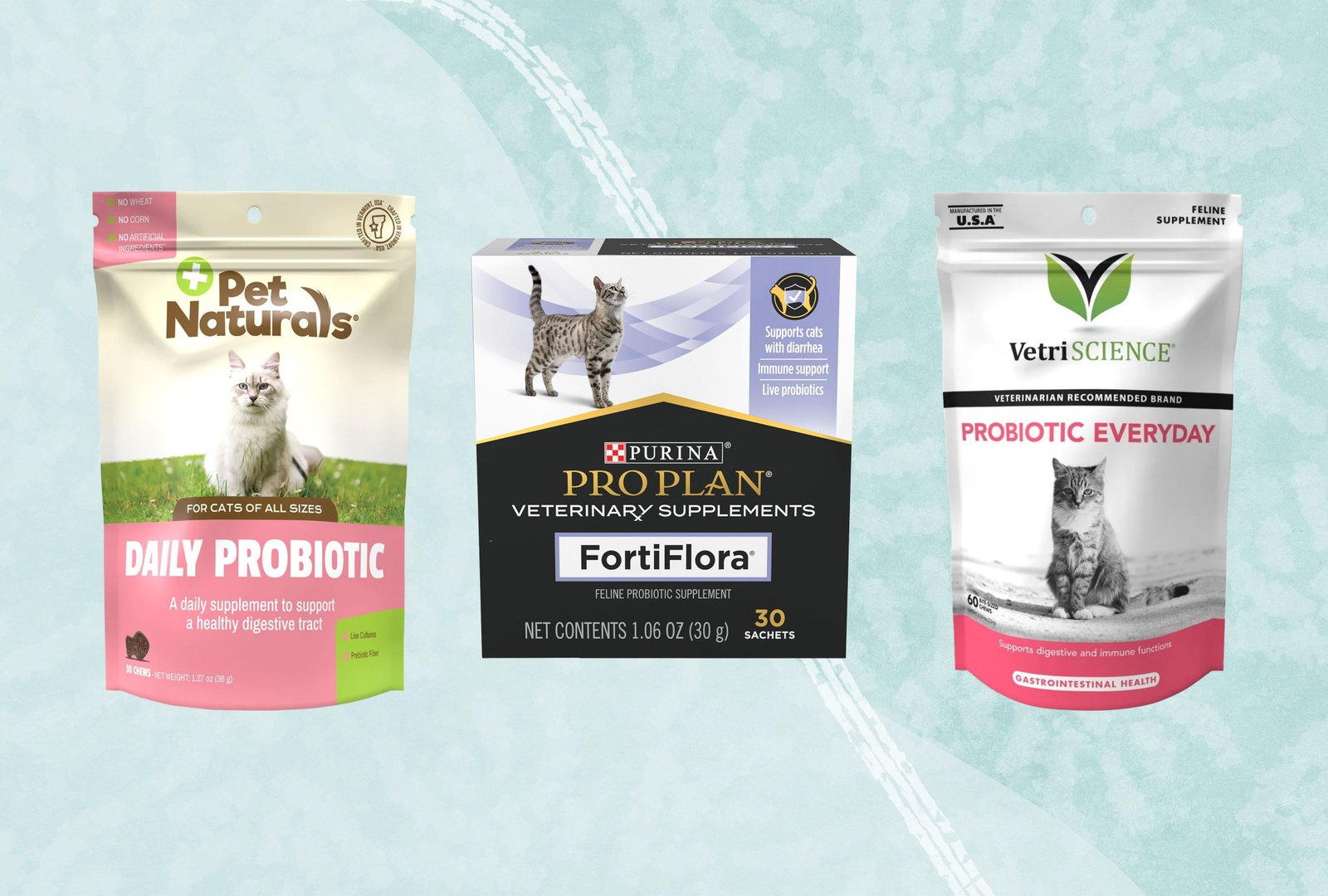
Yes. Cats may benefit from probiotics in certain digestive conditions, much like dogs. Research is growing, although many recommendations remain strain-specific and should be discussed with a veterinarian.
A Balanced Approach to Probiotics
Probiotics can be a valuable tool for supporting digestive health in dogs and cats, particularly during episodes of diarrhea, after antibiotic treatment, or when recommended as part of a veterinary care plan. At the same time, they aren't a universal solution, and their effectiveness depends on using the right strains for the right situation.
Choosing a high-quality veterinary product, introducing it appropriately, and seeking professional advice for ongoing health concerns gives your pet the best chance of benefiting from probiotics. Combined with a balanced diet, regular veterinary care, and a consistent routine, they can become one useful piece of maintaining long-term digestive wellness.
pet probiotics
gut health
digestive support
pet nutrition
healthy digestion
pet wellness
Found this helpful? Share it!