
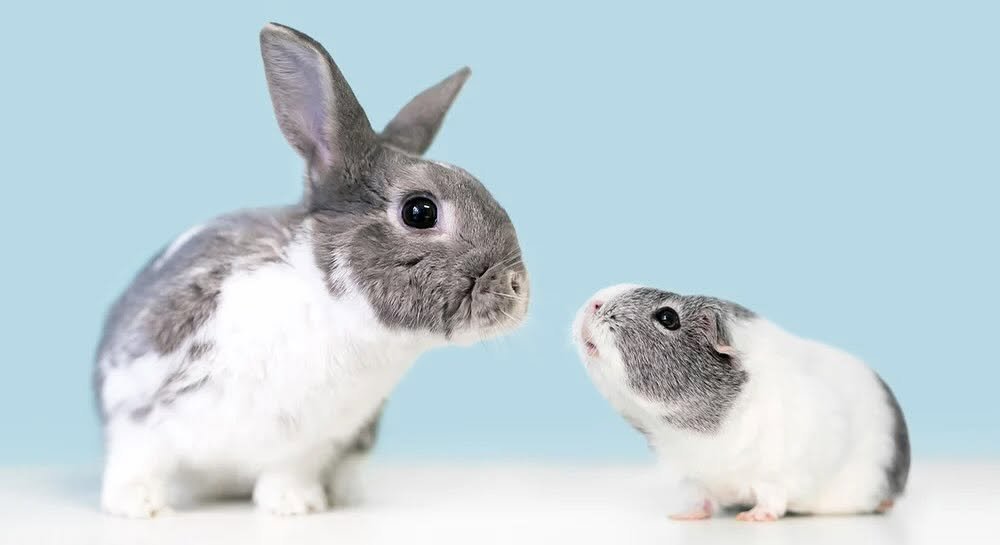
Rabbit vs Guinea Pig: Which Fits Your Lifestyle?
231 views
You buy a “small pet” enclosure. Then reality arrives.
The rabbit needs far more floor space than the cute starter hutch suggested. The guinea pig needs a companion, daily hay, fresh vegetables, and vitamin C. Both produce more cleaning than many first-time owners expect. Neither is a low-maintenance substitute for a cat or dog.
That’s why the better question isn't “Which one is easier?” It’s “Which animal’s needs fit the way I actually live?”
For readers choosing among small pets, this rabbit vs guinea pig comparison focuses on the practical stuff: housing, companionship, feeding, handling, cleaning, lifespan, noise, daily routines, and the costs and compromises that can catch new owners off guard.
Rabbit vs guinea pig at a glance
Lifestyle factor | Rabbit | Guinea pig |
|---|---|---|
Typical lifespan | About 8–12 years | About 5–7 years, sometimes longer |
Social needs | Best with a compatible rabbit | Needs at least one guinea pig companion |
Space requirement | Large; a pair needs around 3m × 2m × 1m of living space | Large floor area; more space is strongly preferable |
Diet | Mostly hay/grass, fresh greens and limited high-fibre pellets | Hay, species-specific pellets, vegetables and daily vitamin C |
Handling | Often prefers interaction at floor level | Usually prefers gentle interaction on the ground |
Activity | Especially active around dawn and dusk | Active in short bursts throughout day and night |
House-training | Often litter-trainable | Can learn toilet habits, but usually less reliably |
Best for | Owners with substantial space and a long-term commitment | Owners wanting smaller ground-level companions with a lively, vocal personality |
Lifespans vary by individual and care, but current guidance from Blue Cross puts domestic rabbits around 8–12 years and guinea pigs commonly around 5–7 years.
The table hides one big truth, though.
Neither animal belongs in a tiny cage all day.
Rabbits are much bigger commitments than they look
A rabbit can look like a compact pet in a shop enclosure. That's misleading.
A pair of medium-sized rabbits needs a living area of at least 3m × 2m × 1m, according to current RSPCA guidance. That space should allow permanent access to shelter and exercise areas rather than treating a small hutch as the rabbit's entire home.
That changes the lifestyle calculation dramatically.
If you live in a small apartment, you'll need to rabbit-proof part of the home. Electrical cables become chew targets. Baseboards can become chew targets. Carpets can become chew targets. A rabbit that has discovered the corner of an expensive sofa isn't going to respect your interior-design budget.
Indoor rabbits can work beautifully, but the room needs planning. Outdoor housing needs protection from predators, weather and temperature extremes, too.
There's another frequently missed point: rabbits are social animals. A rabbit shouldn't be purchased as a solitary pet simply because one animal seems easier to house. Welfare organisations recommend compatible rabbit companionship, generally involving neutered rabbits.
So the realistic “one rabbit” budget often isn't a one-rabbit budget.
Guinea pigs are smaller, but don't confuse that with simple
Guinea pigs occupy less vertical and overall space than rabbits, but their enclosure still needs to be generous.
They are ground-dwellers, not miniature climbers. Long, uninterrupted floor space matters more than a tall cage with ramps and platforms. RSPCA guidance also highlights the need for secure hiding places, exercise space and stable temperatures; around 17–20°C is cited as an ideal indoor range.
For a practical benchmark, Blue Cross recommends at least 10 square feet of main living space for two female guinea pigs when they also have access to a separate run, increasing the space for male pairs or groups.
That makes guinea pigs a better fit for someone who has limited room height but can dedicate a decent patch of floor.
They also have personality in abundance.
Squeaks. Whistles. Sudden “popcorning.” The rustle of a vegetable bag from across the room.
If you enjoy a pet that announces dinner like a tiny alarm system, guinea pigs have an advantage.
Feeding is where the two choices split sharply
Both species are herbivores built around fibre-rich diets, but their nutritional requirements aren't interchangeable.
Rabbit feeding
A rabbit's diet should revolve around constant access to good-quality hay or grass, supplemented with suitable leafy greens and a relatively small quantity of high-fibre pellets. Hay also supports normal tooth wear because rabbit teeth grow continuously.
The common mistake is treating pellets as the main meal.
They're not.
A bowl filled with commercial pellets looks reassuringly substantial, but the rabbit's digestive system is designed around fibre-rich forage. Sudden dietary changes can also cause digestive problems, so new foods should be introduced gradually.
Guinea pig feeding
Guinea pigs have an extra nutritional requirement that catches new owners out: vitamin C.
They can't synthesise vitamin C themselves, so they need a dependable dietary source. Merck Veterinary Manual recommends a high-quality grass hay, species-specific pellets and appropriate produce; adult guinea pigs generally require roughly 10–25 mg of vitamin C per kg of body weight per day, with higher requirements in growing, pregnant, lactating or ill animals.
And don't simply grab rabbit pellets from the pet shop shelf.
Guinea pigs need food formulated for guinea pigs, including an appropriate vitamin C source. Merck specifically warns against substituting rabbit pellets because they don't provide enough vitamin C. Vitamin C in pellets can also degrade over time, particularly with heat and light, so buying ancient, half-used bags isn't ideal.
That small detail can make a surprisingly big difference.
Which pet actually likes being handled?
This is where expectations matter more than species stereotypes.
Neither rabbit nor guinea pig should be chosen because you expect a cuddly animal that happily gets passed around like a plush toy.
Many rabbits prefer interaction while sitting safely on the floor. Picking them up can be stressful, particularly if they haven't been accustomed to handling properly. Guinea pigs can become tame with gentle, consistent interaction, but many also feel more secure when all four feet remain on the ground. PDSA similarly advises that rabbits and guinea pigs often prefer being stroked at ground level rather than constantly carried.
For children, that distinction matters.
A family should supervise handling rather than assuming a small pet is automatically suitable for unsupervised cuddling. The child's age, patience and ability to recognise animal stress signals matter more than the animal's size.
Small doesn't mean indestructible.
Cleaning: the unglamorous part
Both species generate a steady supply of hay, droppings and bedding.
Rabbit litter training can make indoor life surprisingly manageable. Many rabbits naturally choose a toilet area, and a litter tray can reinforce that habit.
Guinea pigs are different. Some develop preferred toilet spots, but their living area generally needs frequent spot-cleaning because hay, urine and droppings accumulate across the enclosure.
Here's the practical distinction:
Rabbit: more effort up front with rabbit-proofing and housing, but litter training can simplify routine cleaning.
Guinea pig: simpler enclosure design, but expect frequent cleaning across the living area.
Both: hay gets everywhere.
If you're extremely house-proud, neither is a zero-mess choice.
The companionship question changes everything
This deserves its own section because an old piece of pet advice still causes confusion: don't buy a rabbit and guinea pig as a matched pair.
Current guidance from the RSPCA, PDSA and Rabbit Welfare Association & Fund advises against housing rabbits and guinea pigs together. Their communication styles differ, their diets aren't identical, rabbits can bully or accidentally injure guinea pigs, and rabbits can carry Bordetella bronchiseptica, which can cause serious respiratory disease in guinea pigs.
Historically, people did keep these species together. That's probably why the idea remains so persistent.
Modern welfare advice has moved on.
A rabbit should have rabbit company. A guinea pig should have guinea pig company. Simple as that.
Rabbit or guinea pig: match the animal to your routine
Pick rabbits if...
You can dedicate substantial permanent space, you're comfortable rabbit-proofing a home or maintaining a properly designed outdoor setup, and you're prepared for a commitment that can last a decade or more.
Rabbits are particularly appealing if you enjoy observing complex behaviour, creating enrichment areas and interacting with a pet outside a conventional cage.
They're also a good fit for someone who likes the idea of litter training and has room for a free-roaming or semi-free-roaming arrangement.
Pick guinea pigs if...
You want smaller ground-level pets with distinctive vocal behaviour and you can provide a spacious, well-ventilated enclosure for a compatible group.
Guinea pigs can be wonderfully entertaining without demanding the same degree of whole-room rabbit-proofing. But you'll still need considerable floor space, regular cleaning, hay, vegetables and reliable vitamin C.
Don't underestimate the group requirement, either.
One guinea pig isn't the “easy starter version.”
The cost question isn't just the purchase price
The animal itself is often the least interesting number in the budget.
Housing, hay, bedding, vegetables, enrichment, neutering, vaccinations where appropriate, routine veterinary care and unexpected illness can dwarf the initial adoption or purchase cost over several years.
Rabbits generally bring the larger housing footprint and potentially more extensive home modifications. Guinea pigs may have lower individual setup costs, but keeping a socially appropriate pair or group means buying supplies for multiple animals.
Veterinary access matters, too. Before committing, identify a clinic that is genuinely comfortable treating rabbits or guinea pigs rather than assuming every general practice has the same level of small-animal expertise.
That five-minute search can save a frantic phone call later.
So, which fits your lifestyle?
If space is your biggest constraint, guinea pigs may be the more practical choice—but only if you can still provide a genuinely spacious floor-level enclosure and compatible companionship.
If you have a large, rabbit-proofed living area and want a longer-term, more interactive companion, rabbits may fit better.
If you want one animal because your budget or schedule only supports one, pause before choosing either. Social needs are not optional accessories.
And if you were planning to put a rabbit and guinea pig together?
Don't.
Give each species the companion it actually understands.
Rabbit vs guinea pig FAQs
Are rabbits easier to care for than guinea pigs?
Not necessarily. Rabbits usually require considerably more space and can live for 8–12 years, while guinea pigs generally have a shorter lifespan but still require companionship, spacious housing, daily hay and vitamin C.
Can a rabbit and guinea pig live together?
Current welfare guidance strongly advises against starting this arrangement. The species have different communication styles and dietary needs, and guinea pigs can be injured, bullied or exposed to respiratory pathogens carried by rabbits.
Which is better for children?
Neither should be chosen solely because a child wants a cuddly pet. Both generally do better with calm, ground-level interaction, and responsible adults should supervise handling and provide the actual care.
Do guinea pigs need vitamin C?
Yes. Guinea pigs cannot make their own vitamin C and need it supplied through their diet. Species-appropriate pellets and vitamin-C-rich vegetables are common sources; rabbit pellets aren't an adequate substitute.
Can rabbits live indoors?
Yes. Indoor rabbits can thrive when they have enough safe, permanent space, appropriate companionship and protection from household hazards such as electrical cables and toxic plants or materials.
Make the decision with the enclosure first
Before choosing the animal, measure the space you're genuinely willing to dedicate to it.
Not the space you hope you'll find later.
Mark it on the floor with tape. Put the prospective enclosure dimensions into the room. Imagine hay storage, litter trays, food, hiding areas and cleaning access. Then consider the animal's companion, because the welfare requirement doesn't disappear when the second animal enters the picture.
That little exercise usually makes the rabbit vs guinea pig decision much clearer.
And if both still seem possible, choose the species whose daily routine sounds enjoyable on an ordinary Tuesday, not just the one that looks cutest in a photo.
rabbit vs guinea pig
rabbit or guinea pig for beginners
rabbit guinea pig care comparison
rabbit vs guinea pig cost
rabbit vs guinea pig space
best small pet choice
Found this helpful? Share it!